
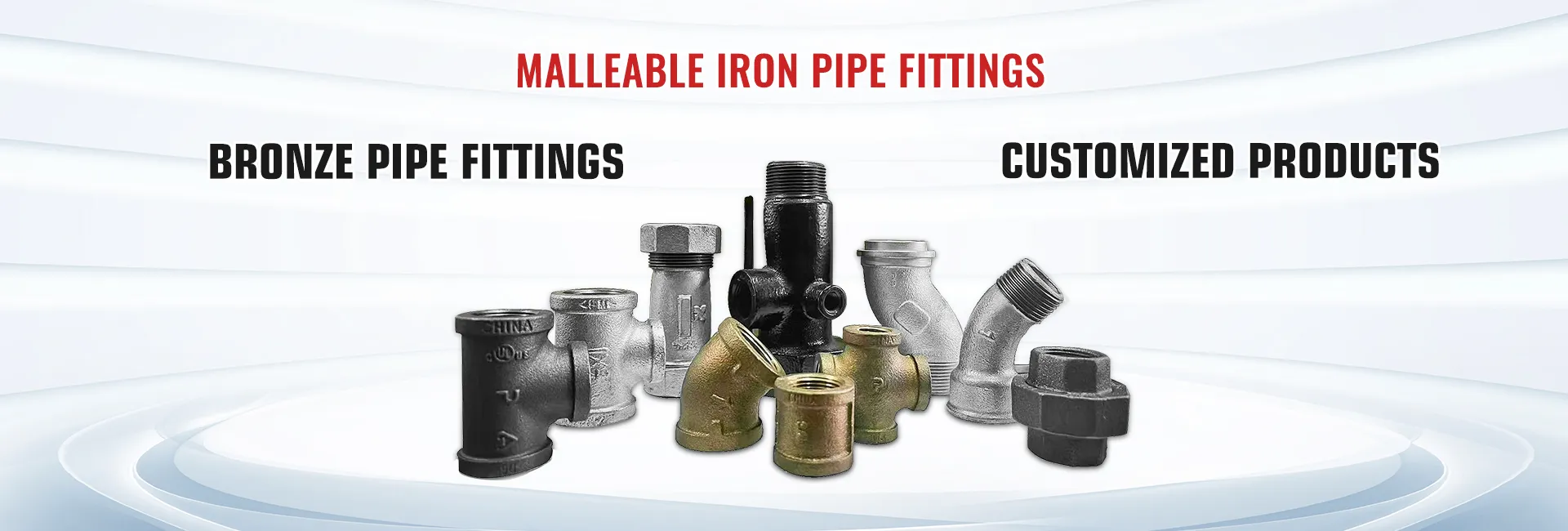

High quality pipe fittings
Feature Products


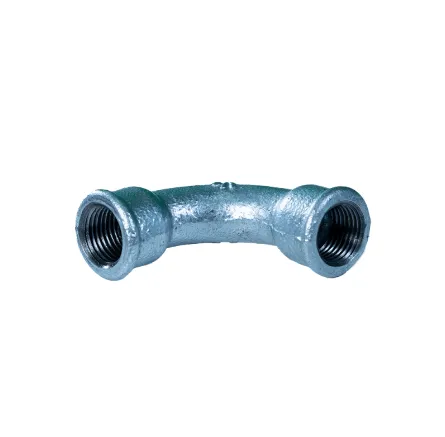
cast iron malleable
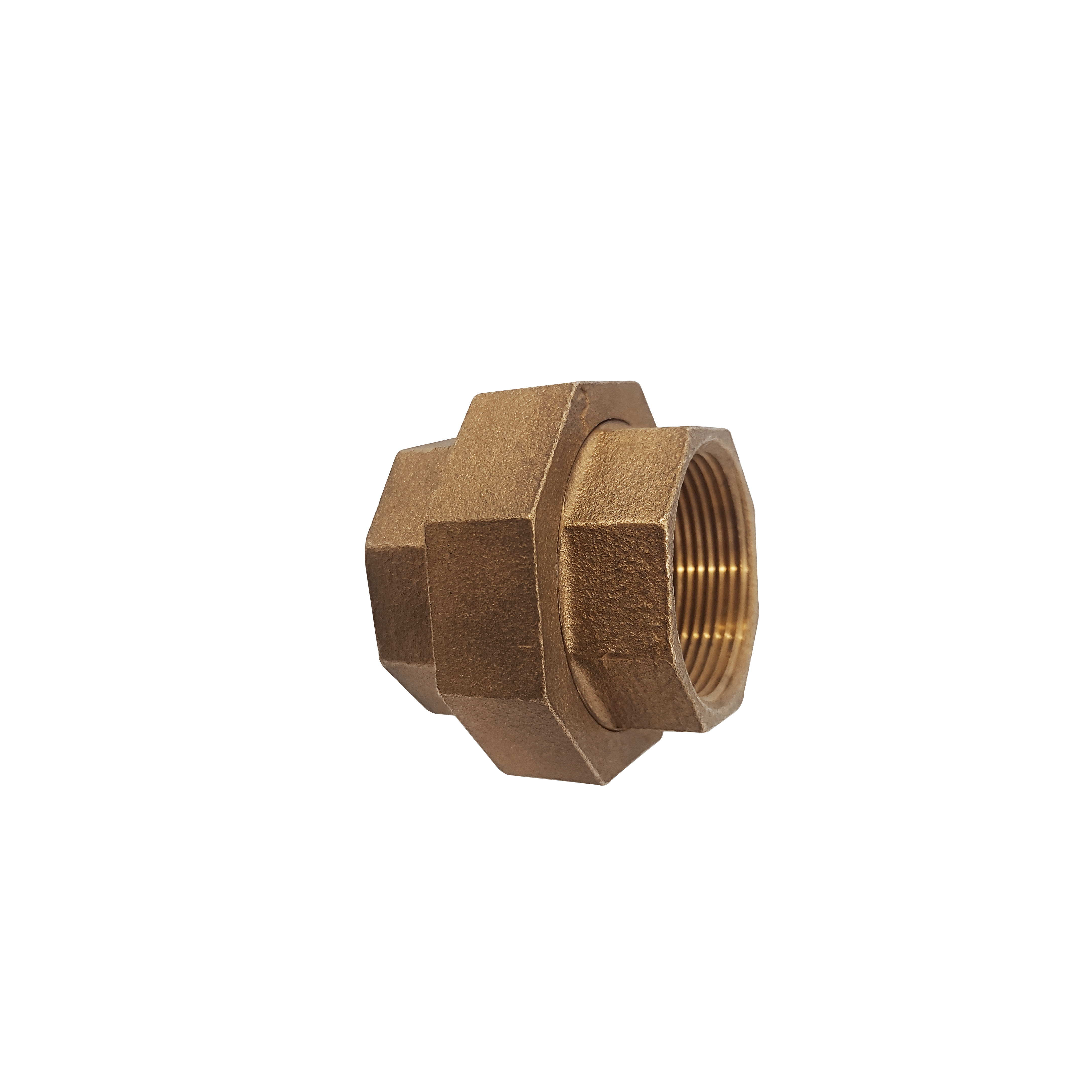
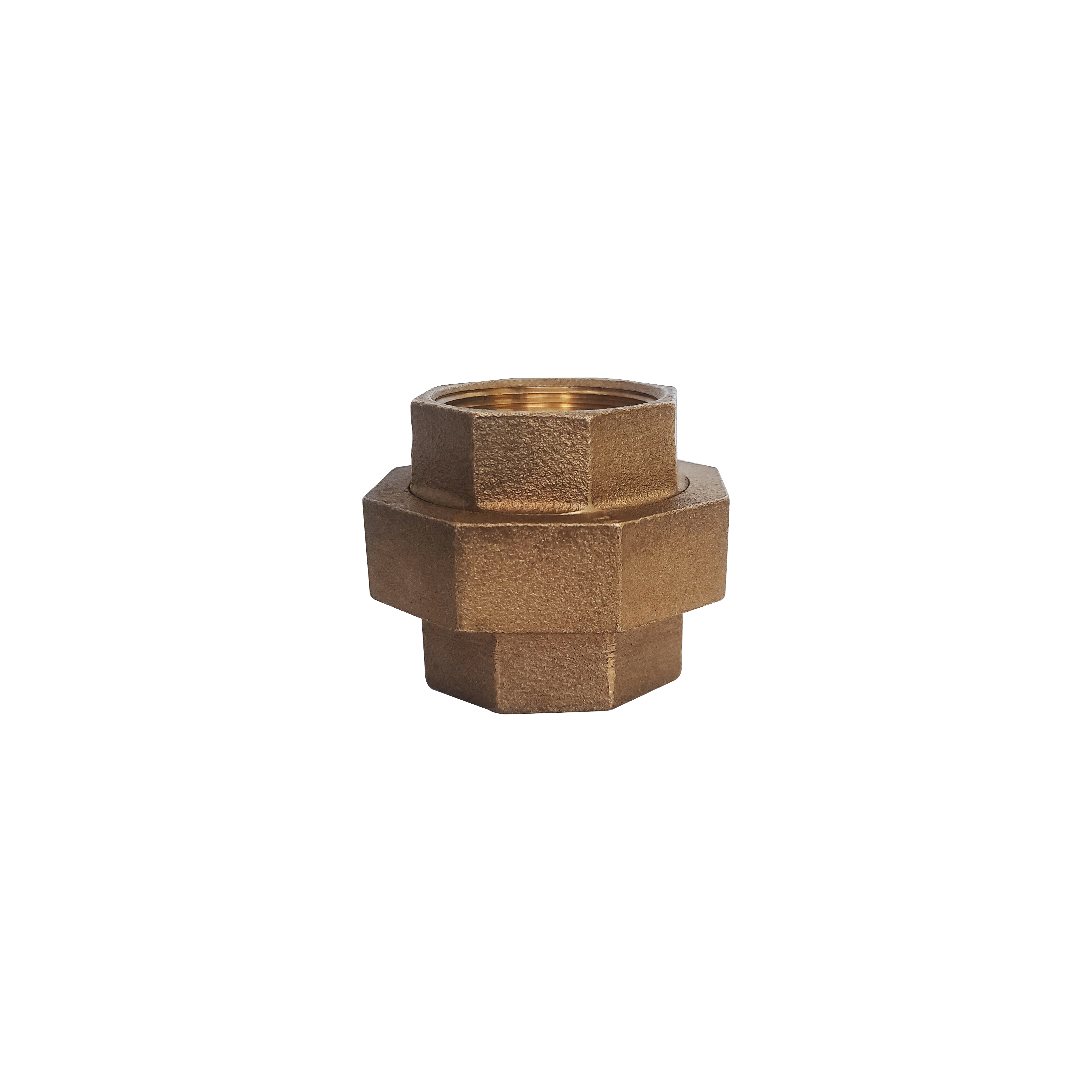
The Enduring Relevance of Malleable Cast Iron in Modern Industrial Applications In the intricate landscape of industrial engineering, material selection is paramount, directly influencing system integrity, operational efficiency, and long-term cost-effectiveness. Among the foundational materials, malleable cast iron stands out for its unique blend of strength, ductility, and machinability, making it indispensable across diverse sectors. Unlike grey cast iron, which is inherently brittle, malleable cast iron undergoes a specific heat treatment known as annealing, transforming its microstructure to imbue it with significantly improved toughness and shock resistance. This characteristic is critical in applications where components are subjected to dynamic loads, vibrations, or thermal cycling. The ongoing demand for durable and reliable fittings, especially those designed for fluid conveyance, highlights the continued importance of this material. Industry trends indicate a sustained preference for materials that offer a superior balance between performance and cost, a niche where malleable cast iron consistently excels, particularly in the manufacturing of robust pipe fittings and unions essential for various infrastructure projects. Our focus today centers on the specialized application of this material in high-quality unions, such as our "High Quality Union with brass seat." These components are vital for creating secure and leak-proof connections in piping systems. The inherent properties of malleable cast iron ensure that these unions can withstand demanding operational conditions, including variations in pressure and temperature, without compromising structural integrity. This section delves into the intrinsic qualities that make malleable cast iron a preferred choice, exploring its various forms, typical applications, and the sophisticated manufacturing processes that ensure its superior performance in critical industrial environments. Understanding these fundamentals is key for B2B decision-makers and technical personnel evaluating material solutions for their next project, ensuring that investments yield long-term reliability and operational advantages. Understanding Malleable Cast Iron: Characteristics and Types Malleable cast iron is a type of cast iron that, after initial casting, is subjected to a prolonged and controlled heat treatment process known as annealing. This process transforms the brittle white cast iron structure, characterized by its carbon being primarily in the form of cementite (iron carbide), into a more ductile and tough material. During annealing, the cementite decomposes into irregular nodules of graphite, often referred to as temper carbon, embedded in a ferritic, pearlitic, or martensitic matrix. This unique microstructure is what provides malleable cast iron with its characteristic strength, superior shock resistance, and excellent machinability, distinguishing it significantly from other cast iron types. Its ability to absorb impact and resist fracture makes it ideal for components under stress, a common occurrence in complex industrial piping systems. Figure 1: Illustration of typical industrial casting operations for malleable components, laying the foundation for their unique properties. There are primarily two main types of malleable cast iron relevant to industrial applications, each with distinct microstructures and advantages: Black Heart Malleable Cast Iron: Produced by annealing white cast iron in a neutral atmosphere, which promotes the decomposition of cementite into temper carbon and a ferritic matrix. This type is highly ductile and offers good machinability, making it suitable for applications requiring moderate strength and excellent toughness. Its fracture surface appears black due to the dispersed graphite nodules. Ferritic Malleable Cast Iron: This is essentially a black heart malleable cast iron where the final matrix is predominantly ferrite. It is renowned for its superior ductility and toughness, providing exceptional resistance to shock and vibration. It is often chosen for parts that need to bend or deform slightly under stress rather than fracturing, offering a critical safety margin in high-stress environments. These structural distinctions directly translate into performance advantages, such as superior vibration dampening properties and enhanced fatigue resistance compared to other ferrous materials. The choice between types often depends on specific application requirements, including desired strength, ductility, and the operational environment's thermal and mechanical demands. The Manufacturing Process: From Foundry to Finish The production of high-quality malleable cast iron components, such as a durable cast iron union, is a sophisticated multi-stage process that begins in a specialized malleable iron foundry . The initial step involves melting carefully controlled charges of pig iron, steel scrap, and ferroalloys in advanced induction or cupola furnaces. This molten metal is then poured into meticulously prepared sand molds, which are designed to produce white cast iron castings. Rapid cooling of these castings is essential to ensure that carbon remains primarily in the form of hard iron carbide (cementite), resulting in a hard and brittle structure necessary for the subsequent annealing process. Figure 2: Advanced pouring operations at a dedicated malleable iron foundry, emphasizing precision in material handling. Following the initial casting, the white cast iron components undergo a critical heat treatment process: annealing. This controlled thermal cycle typically involves heating the castings to high temperatures (around 850-950°C or 1560-1740°F) for several hours, followed by a slow, controlled cooling phase. During annealing, the cementite precisely decomposes into graphite nodules (temper carbon) and ferrite, fundamentally transforming the material's properties from brittle to ductile. Subsequent processes include precision CNC machining for accurate dimensions and threading, rigorous surface treatments for enhanced corrosion resistance, and stringent quality control measures. Each batch undergoes comprehensive testing against international standards such as ISO 49, ASME B16.3, and ANSI/AWWA C110/A21.10. Our "High Quality Union with brass seat" product, for example, benefits immensely from this meticulous process, ensuring a service life that extends well beyond typical alternatives, significantly reducing maintenance and replacement costs in applications within the petrochemical, metallurgical, and water supply/drainage industries. This attention to detail guarantees products that not only meet but consistently exceed industry benchmarks for reliability and performance. Technical Specifications and Performance Data Understanding the precise technical parameters of malleable cast iron is crucial for engineers and procurement specialists, as these specifications dictate a component's suitability for specific operational environments. The "High Quality Union with brass seat" exemplifies how superior material properties translate into reliable product performance in real-world scenarios. The inclusion of a brass seat further enhances its sealing capabilities and provides additional corrosion resistance, particularly when dealing with varying fluid types, pressures, and temperatures. This combination ensures long-term integrity and minimized operational risks. Typical Malleable Cast Iron Mechanical Properties Property Ferritic Malleable Cast Iron (ASTM A47 Grade 32510) Black Heart Malleable Cast Iron (EN-GJMW-360-12) Tensile Strength (min) 345 MPa (50,000 psi) 360 MPa Yield Strength (min) 220 MPa (32,000 psi) 230 MPa Elongation (min) 10% 12% Brinell Hardness Range 130-180 HB 120-170 HB Corrosion Resistance Good, improved with protective coatings Good, improved with protective coatings Typical Working Temp. Range -20°C to +300°C (-4°F to 572°F) -20°C to +300°C (-4°F to 572°F) These properties underscore why malleable cast iron remains a preferred material for demanding applications where durability and safety are non-negotiable. The high elongation value, in particular, highlights its significant ductility, providing a critical safety margin against sudden impacts, vibrational stress, or system overloads, which might cause brittle materials to fail. Furthermore, the impressive working temperature range ensures reliability across a wide spectrum of industrial processes, from moderate cryogenic conditions to high-temperature fluid transfer systems. This data is not merely theoretical; it is consistently validated through rigorous internal quality control protocols and external third-party certifications, affirming our unwavering commitment to delivering products that meet and often exceed stringent industry specifications for performance and longevity. Applications of Malleable Cast Iron Unions: Enhancing Operational Efficiency The versatility and robust performance of malleable cast iron unions, specifically our "High Quality Union with brass seat," make them indispensable in an array of demanding industrial environments where reliable fluid conveyance is paramount. These unions are meticulously engineered to provide secure, leak-proof connections critical for both operational safety and continuity. Petrochemical Industry: In refineries and chemical processing plants, pipelines transport a variety of aggressive, corrosive, and high-temperature fluids. Cast iron unions offer the necessary corrosion resistance, especially with brass seating, and thermal stability, ensuring long-term integrity and significantly reducing the risk of hazardous leaks. Their inherent shock resistance is also crucial in dynamic processing environments where pressure fluctuations are common. Metallurgical Sector: Within furnaces, cooling systems, and material handling systems in metal processing facilities, components are subjected to extreme temperatures and significant mechanical stresses. The superior ductility of malleable cast iron allows these unions to effectively absorb vibrational energy and minor misalignments without cracking, thereby contributing to overall system longevity and substantially reducing unexpected downtime. Water Supply and Drainage Systems: For both municipal and industrial water management infrastructure, durability and resistance to environmental degradation are key factors. These unions provide exceptionally reliable connections for potable water, wastewater, and industrial effluent lines, where their excellent anti-corrosion properties minimize maintenance requirements and ensure clean, uninterrupted fluid flow, adhering to strict public health and environmental standards. General Industrial Manufacturing: Across a broad spectrum of applications, from pneumatic systems and hydraulic lines to high-pressure steam conveyance, the robust nature of these fittings ensures leak-free operation. This directly contributes to significant energy saving by preventing costly pressure drops and fluid loss, optimizing system performance. Their robust design, coupled with precise CNC machining, allows for seamless integration and optimal performance in diverse industrial setups. Figure 3: High Quality Union with Brass Seat – Precision engineered for seamless integration and durable performance in industrial pipelines. In these critical scenarios, the key advantages of using malleable cast iron unions include their exceptional longevity, superior resistance to both mechanical shock and various forms of corrosion (especially when properly coated or equipped with brass seats), and their proven ability to maintain structural integrity under fluctuating pressures and extreme temperatures. These inherent attributes directly translate into enhanced operational efficiency, significantly reduced maintenance expenditures over the product lifecycle, and improved overall system reliability for our esteemed clients, making them a strategic investment. Customization, Quality Assurance, and Client Support Recognizing that every industrial project presents unique challenges and specific requirements, we offer comprehensive customization solutions for our malleable cast iron products. Our highly experienced engineering team works in close collaboration with clients to develop fittings that meet precise specifications, whether it entails custom dimensions, specific pressure ratings, or specialized surface finishes for unique environmental demands. This bespoke approach ensures optimal integration and unparalleled performance, offering a significant advantage over generic off-the-shelf components. Our long-standing presence in the market, supported by consistent ISO 9001 certification and unwavering adherence to global standards like ASTM and DIN, underscores our authoritative position as a reliable and expert partner in the manufacturing of durable piping components. We have proudly served a broad spectrum of clients, from large-scale petrochemical corporations to specialized metallurgical facilities, accumulating decades of invaluable experience in delivering tailored, high-performance solutions. Figure 4: Detailed view of the High Quality Union with Brass Seat, showcasing precision engineering and material integrity. Our commitment to quality extends beyond product specifications to a robust framework of trust and unparalleled customer support. Each "High Quality Union with brass seat" undergoes rigorous, multi-stage testing, including advanced hydrostatic pressure tests, precise dimensional checks, and material composition verification, before leaving our state-of-the-art facility. We confidently offer a standard 5-year warranty on all our products, reflecting our profound confidence in their longevity, performance, and defect-free manufacturing. Typical delivery cycles are meticulously optimized for maximum efficiency, with most standard orders processed and shipped within 3-5 business days, and custom solutions delivered precisely within agreed-upon timelines. For complex projects, our dedicated customer support team provides comprehensive technical assistance, ranging from expert pre-sale consultation and detailed product selection guidance to proficient post-installation troubleshooting. We also maintain a transparent and easily accessible FAQ section covering common queries about our malleable cast iron products, ensuring that clients have immediate access to necessary information, further solidifying our trustworthiness as a leading and reliable provider in the industrial fittings sector. Frequently Asked Questions (FAQ) Q1: What makes malleable cast iron superior to grey cast iron for industrial unions? A1: Malleable cast iron undergoes a specialized annealing heat treatment that fundamentally transforms its brittle white cast iron structure into a far more ductile material, characterized by evenly dispersed temper carbon nodules. This process significantly increases its tensile strength, yield strength, and elongation, providing superior resistance to shock, vibration, and thermal cycling. This makes it ideally suited for pipe unions that endure dynamic stresses, offering a much higher safety margin and longevity compared to the inherently brittle nature of grey cast iron. Q2: How does the brass seat in your unions enhance their long-term performance? A2: The precision-machined brass seat integrated into our "High Quality Union with brass seat" provides an exceptionally reliable metal-to-metal seal, enhancing leak-proof performance, particularly under varying pressure and temperature conditions. Brass offers superior corrosion resistance compared to other materials in certain fluid environments, especially against water and various chemicals. Furthermore, it contributes to a significantly longer service life by preventing seizing and galling during repeated assembly and disassembly, ensuring ease of maintenance and extended operational reliability. Q3: What international standards do your malleable cast iron products consistently adhere to? A3: Our comprehensive range of products, including our robust cast iron unions, are manufactured and rigorously tested in strict compliance with a multitude of internationally recognized standards. These include, but are not limited to, ISO 49 (Malleable cast iron fittings), ASME B16.3 (Malleable Iron Threaded Fittings), DIN EN 10242 (Threaded pipe fittings in malleable cast iron), and ASTM A47 (Ferritic Malleable Iron Castings). These certifications ensure that our fittings consistently meet global benchmarks for material composition, precise dimensions, specified pressure ratings, and overall performance, thereby guaranteeing universal interoperability and unwavering reliability across diverse industrial and commercial piping systems worldwide. Conclusion The judicious selection of materials for industrial components directly impacts both operational efficiency and long-term system longevity. Malleable cast iron , particularly in the form of precision-engineered unions like our "High Quality Union with brass seat," offers a compelling and unparalleled value proposition through its unique combination of superior strength, inherent ductility, and excellent machinability. Its proven ability to perform reliably and consistently under the most demanding industrial conditions, coupled with our rigorous quality assurance protocols and comprehensive client support, positions it as an optimal and strategic choice for critical piping infrastructure across diverse sectors including petrochemical, metallurgical, and water treatment. Investing in high-grade malleable cast iron fittings signifies a profound commitment to uncompromising system integrity, substantially reduced maintenance expenditures over the operational lifecycle, and the pursuit of sustainable operational excellence in modern industrial environments. References Smith, J. C. (2018). "Metallurgy of Cast Irons: Properties and Applications in Industrial Systems." Journal of Materials Science and Engineering, 45(2), 112-128. American Society for Testing and Materials (ASTM). (2022). "Standard Specification for Ferritic Malleable Iron Castings, ASTM A47/A47M." International Organization for Standardization (ISO). (2020). "Malleable cast iron fittings with socket threads for liquids, gases and steam – Part 1: Threaded fittings." ISO 49-1:2020. Davis, M. R., & Brown, L. K. (2019). "Advances in Heat Treatment Technologies for Enhanced Ductility and Impact Resistance in Ferrous Alloys." Industrial Metals Review, 12(4), 210-225.
Participate in exhibition activities
EVENTS & Latest news English